Investing in CHWs: The Future of Public Health
CHW News, CHWs, Health EquityAs we celebrate National Public Health Week 2025 under the theme, “The Future of Public Health Starts Here: Strengthening the Public Health Workforce,” it is essential to recognize and uplift the vital contributions of Community Health Workers (CHWs). CHWs serve as trusted frontline professionals, bridging the gap between underserved communities and healthcare services, fostering trust, and advancing health equity. Their work directly strengthens public health, ensuring that individuals and families receive the care, resources, and support they need 1.
How to Cultivate Community Change Together
To support CHWs, Mecklenburg County’s Community Health Worker Initiative (CHWI) unveiled “Cultivating Community Change Together: Mecklenburg County’s Community Health Worker Initiative Comprehensive Action Plan” at the 2024 Movers & Shakers CommUNITY Forum. Public health strategies can be complex, making it difficult to see where individuals and organizations fit in. The CHWI developed three short videos to simplify the plan and highlight engagement opportunities:
- CHW-Level Video: Strategies and activities for CHWs to enhance their skills, resources, and impact on social determinants of health (SDOH).
- Organization-Level Video: Focuses on long-term investments and workforce support for CHWs within agencies.
- Network-Level Video: Demonstrates how collaborations, partnerships, and shared resources drive systemic population health improvements.
Explore the CHWI Forum Videos Below!
These videos emphasize how individuals, organizations, and networks play vital roles in improving public health and strengthening the workforce.
Community Health Worker
Level Video
The first level of the plan focuses on CHWs, enhancing their skills, abilities, and access to resources while strengthening their ability to address SDOH in their communities.
This video provides an overview of the CHW Level in Cultivating Community Change Together, outlining key strategies and activities that empower CHWs to drive meaningful health improvements.

Organizational
Level Video
The second level of the plan centers on organizations, emphasizing the importance of long-term investments and structural support to sustain CHW programming.
This video explores the Organizational Level in Cultivating Community Change Together, highlighting strategies and activities designed to improve CHW workforce retention, professional growth, and workplace integration.
Network
Level Video
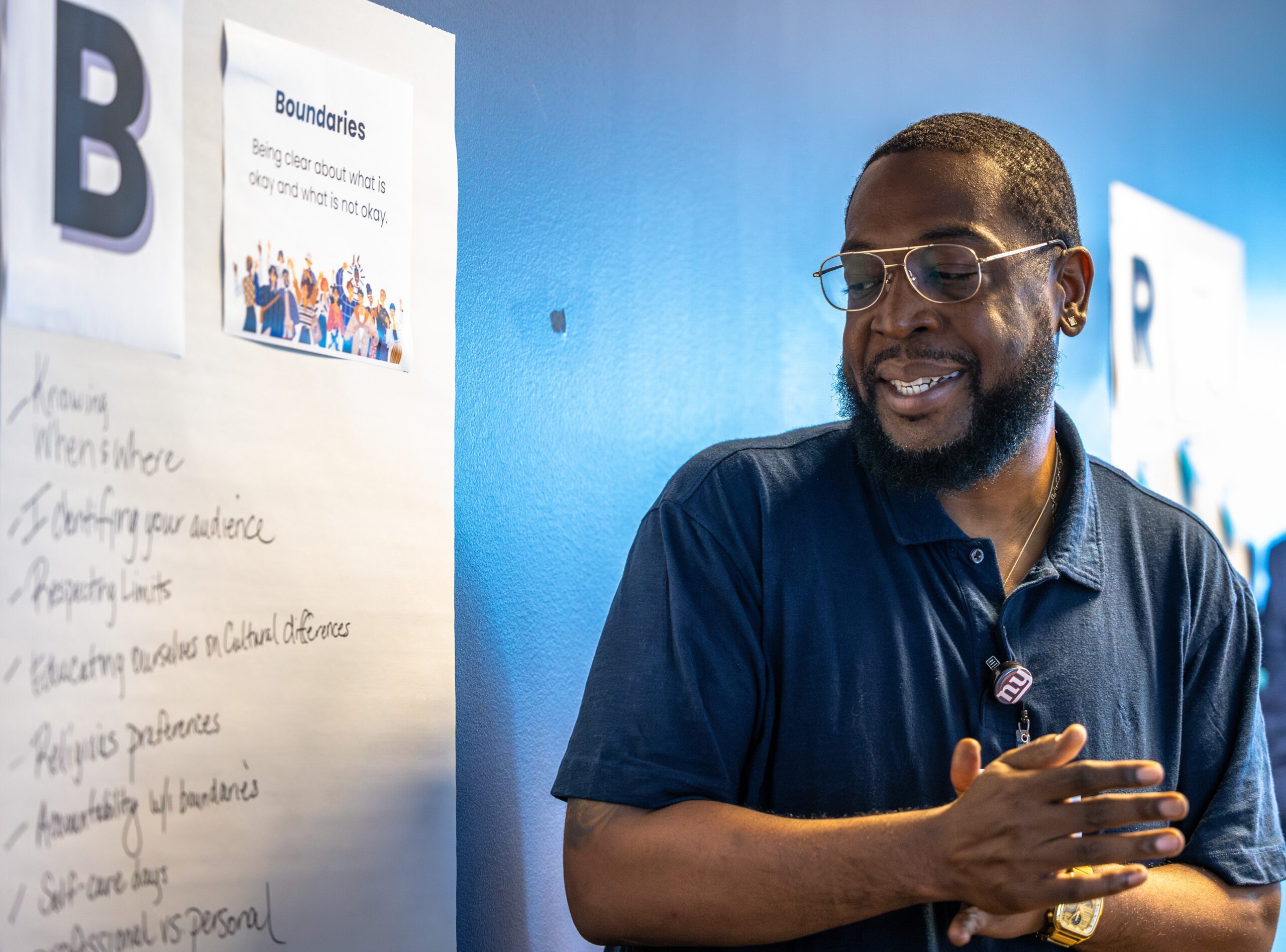
The third level of the plan focuses on network participants, demonstrating how cross-sector partnerships and collective resources can amplify CHW efforts and drive long-term population health improvements.
This video discusses the Network Level in Cultivating Community Change Together, showcasing strategies and activities that promote collaboration, leveraging resources, cross-sector systemic change.
The Future of Public Health
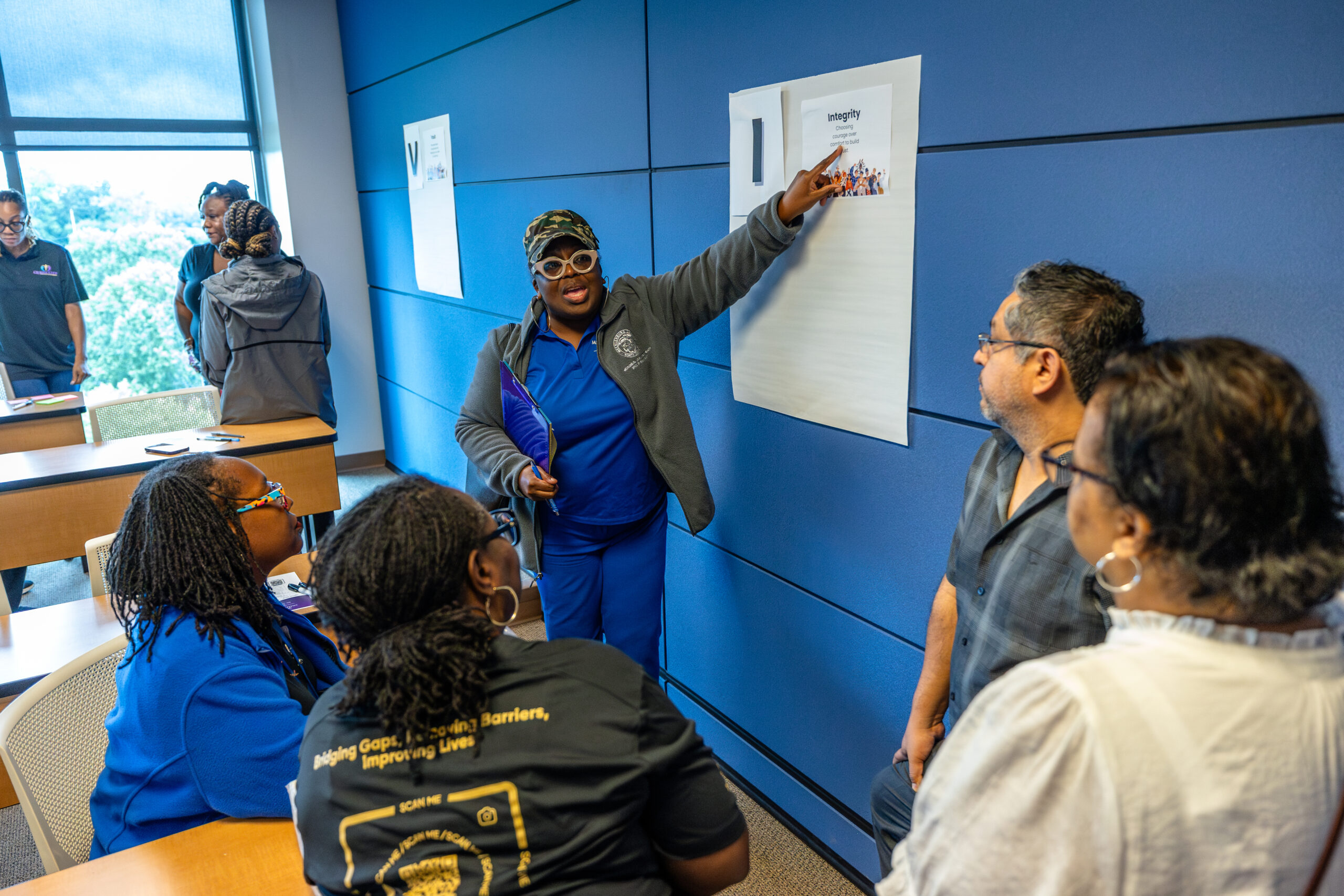
CHWs have a measurable impact on public health outcomes. Every $1 invested in CHW training generates $11.20 in savings through reduced hospitalizations and improved care access 2. They rely on their informal and day-to-day- social connections to promote healthy behavior, implement health interventions, and promote individual and community resilience 3. Despite their proven impact, CHWs often face challenges such as low wages, limited professional and career-building pathways, and a lack of sustainable funding resulting in turnover, attrition, and workforce instability 4.
To improve patient-level outcomes [and strengthen the CHW workforce], it is critical to address these organizational and systemic barriers 5, including:
- Expand network partnerships for equitable community coverage.
- Identify and address resource inequities through advocacy.
- Bridge gaps between community organizations and larger health systems.
As advocates for the future of public health, supporting CHWs ensures improved health outcomes, reduced healthcare costs, and the advancement of health equity 6.
The Power of Collaboration in Strengthening Public Health
Public health stakeholders (or network participants) —including organizations, funders, academic institutions, and community leaders—play key leadership roles in addressing resource inequities due to their economic resource power 7. These collaborations help create sustainable pathways for community-based organizations and health providers to invest in the long-term employment and development of CHWs. This ensures CHWs have the necessary skills and resources to address SDOH and deliver quality care.
Conclusion
CHWs are the future of public health. By bridging the gap between communities and healthcare systems, they drive meaningful change at the local, state, and national levels. Investing in their development, sustainability, and leadership is critical for building a stronger, more equitable public health workforce.
As we look ahead, we commit to supporting CHWs, ensuring they have the tools, training, and investment needed to continue advancing health equity for all.
References
- Peretz, Patricia J., et al. “Community Health Workers and Covid-19 — Addressing Social Determinants of Health in Times of Crisis and Beyond.” New England Journal of Medicine, vol. 383, no. 19, 23 Sept. 2020, https://doi.org/10.1056/nejmp2022641.
- Williams-Livingston, Arletha D, et al. “Bridge Builders to Health Equity: The High School Community Health Worker Training Program.” Journal of the Georgia Public Health Association, vol. 8, no. 1, 1 Jan. 2020, https://doi.org/10.20429/jgpha.2020.080114. Accessed 22 Feb. 2021.
- North Carolina Community Health Worker Association (NCCWHA). “Our Partners – NCCHWA – North Carolina Community Health Workers Association.” NCCHWA – North Carolina Community Health Workers Association, 16 Nov. 2023, ncchwa.org/about/our-partners/. Accessed 24 Jan. 2025.
- National Association of Community Health Workers (NACHW). “The NACHW Advance CHWs Project – Sponsored by Johnson & Johnson – NACHW – National Association of Community Health Workers.” NACHW – National Association of Community Health Workers, 4 Dec. 2024, nachw.org/projects/the-nachw-advance-chws-project/. Accessed 24 Jan. 2025.
- Association of State and Territorial Health Officials (ASTHO). Community Health Workers: Evidence of Their Effectiveness SYSTEMATIC REVIEWS on CHW INTERVENTIONS Effects of CHW Interventions to Improve Chronic Disease Management and Care among Vulnerable Populations CHW Interventions to Improve Glycemic Control in People with Diabetes: Findings from 13 Randomized Controlled Trials (RCTs). 1994.
- Mecklenburg County Community Health Worker Initiative. “Cultivating Community Change Together: Mecklenburg County’s Community Health Worker Initiative: A Comprehensive Action Plan to Improve Access to Care.” net, 2025, mecknc.widen.net/s/sv7vghcmxj/hlt—chwi—cultivating-community-change-together. Accessed 24 Jan. 2025.
- Knowles, Molly, et al. “Community Health Worker Integration with and Effectiveness in Health Care and Public Health in the United States.” Annual Review of Public Health, vol. 44, no. 1, 3 Apr. 2023, pp. 363–381, https://doi.org/10.1146/annurev-publhealth-071521-031648.
- Baciu, Alina, et al. “Partners in Promoting Health Equity in Communities.” NIH.gov, National Academies Press (US), 11 Jan. 2017, www.ncbi.nlm.nih.gov/books/NBK425859/